Traditional clinical psychology has long favored top-down cognitive models—such as Cognitive Behavioral Therapy (CBT)—which focus on identifying and restructuring dysfunctional thought patterns. However, for individuals navigating chronic racial stress, workplace discrimination, or microaggressions, cognitive approaches often prove incomplete.
As somatic psychology pioneer Resmaa Menakem notes, racialized trauma is not stored in cognitive concepts; it lives in the body’s nervous system, musculature, and visceral organs. This research paper explores the neurobiology of racial stress, details somatic regulation protocols, and presents a clinical STAR case study demonstrating body-centered recovery.
1. Neurobiology of Racial Stress: How Microaggressions Alter the Nervous System
Every experience of racial hostility—whether overt or covert—is processed by the brain's threat detection center, the amygdala.
$$\text{Threat Detection (Amygdala)} \longrightarrow \text{HPA Axis Activation} \longrightarrow \text{Cortisol/Adrenaline Spike} \longrightarrow \text{Somatic Tension}$$
When microaggressions occur repeatedly in daily environments (such as workplaces or academic institutions), the body remains in a perpetual state of allostatic hyper-arousal:
A. The Polyvagal Perspective
According to Dr. Stephen Porges’ Polyvagal Theory, the human nervous system evaluates environmental safety through neuroception—an involuntary, subconscious sensing of threat. Continuous exposure to racial hostility forces the nervous system out of the Ventral Vagal state (social engagement and connection) and locks it into either:
- Sympathetic Mobilization: Fight-or-flight activation characterized by muscle tightness, rapid heart rate, digestive disruption, and chronic irritability.
- Dorsal Vagal Shutdown: Immobilization characterized by chronic fatigue, emotional numbness, brain fog, and feelings of helplessness.
B. The Social Masking Tax
Because minoritised individuals are often socially required to maintain composure during microaggressions to avoid being stereotyped as "unprofessional" or "aggressive," the physiological mobilization generated for self-defense is forcibly suppressed. This trapped physiological energy accumulates as chronic somatic tension, hypertension, migraines, and autoimmune dysfunction.
2. Evidence-Based Somatic Interventions
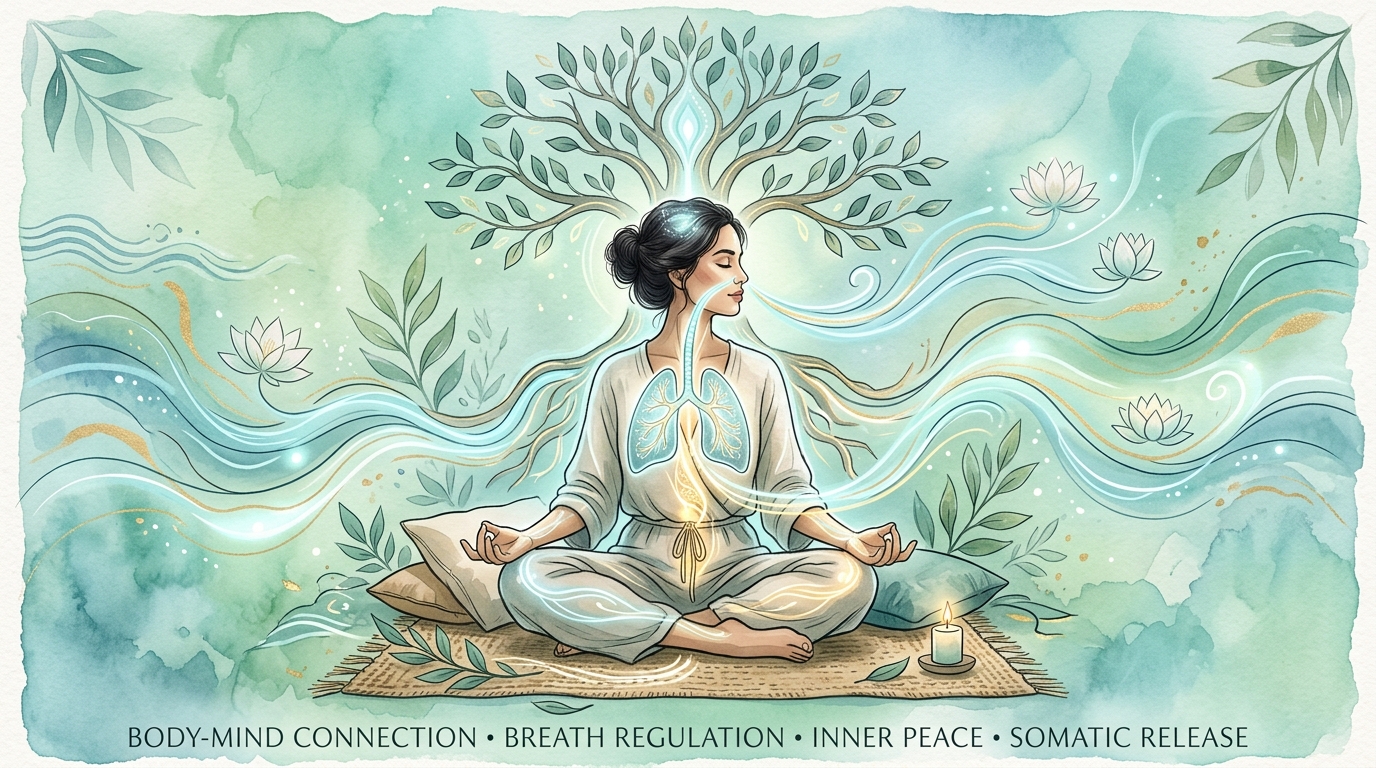
Somatic healing utilizes bottom-up regulation—using physical movement, breathwork, and sensory grounding to communicate safety directly to the brainstem and autonomic nervous system.
┌─────────────────────────────────────────────────────────────┐
│                 SOMATIC REGULATION PROTOCOL                 │
└──────────────────────────────┬──────────────────────────────┘
                               │
   ┌───────────────────────────┼───────────────────────────┐
   │                           │                           │
▼  ▼                           ▼                           ▼
Vagal Nerve Stimulation    Somatic Tremoring    Proprioceptive Grounding
(Exhalation Breathing)     (Tension Release)    (Body Scanning & Touch)
Key Clinical Techniques:
- Extended Exhalation Breathing (Vagal Brake Activation): Inhaling for 4 seconds and exhaling for 7 seconds stimulates the parasympathetic vagus nerve, immediately slowing heart rate and lowering blood pressure.
- Proprioceptive Weighting & Touch: Utilizing weighted pressure or self-havening touch on arms and shoulders to re-establish physical boundaries and body awareness.
- Somatic Shaking & Tremoring: Intentionally shaking the hands, arms, and legs after stressful encounters allows the nervous system to complete the discharge cycle of suppressed motor energy.
3. STAR Framework Analysis & Case Index
The following clinical case study illustrates how integrating somatic therapy resolved chronic physical pain and anxiety stemming from workplace racial stress.
Case Study: Somatic Recovery from Chronic Microaggression-Induced Pain
- Situation: A 35-year-old Black male senior software engineer presented with chronic upper back pain, tension headaches, and severe insomnia. Comprehensive medical examinations revealed no structural spinal abnormalities. Psychological assessment identified that his physical symptoms escalated dramatically during a multi-month period of covert racial exclusion and microaggressions within his engineering team.
- Task: The clinical objective was to release trapped somatic motor tension, reduce autonomic nervous system hyper-arousal, and equip the client with real-time somatic self-regulation tools for high-stress workplace environments.
- Action:
- Interoceptive Awareness Mapping: Guided the client to map physical sensations (chest constriction, shoulder elevation) without judgment, separating physical sensation from cognitive panic.
- Vagal Regulation Training: Taught daily 5-minute somatic breathwork protocols to practice before and after team standup meetings.
- Somatic Discharge & Boundary Work: Utilized somatic movement and resistance exercises to process suppressed protective responses in a safe therapeutic setting.
- Workplace Environment Strategy: Coached the client to implement structured physical recovery breaks between intense coding sprints and meetings.
- Result:
- Pain Reduction: Tension headaches resolved completely, and chronic back pain decreased by 85% within 8 therapeutic sessions.
- Sleep Improvement: Sleep onset latency reduced from 90 minutes to under 15 minutes (measured via actigraphy tracking).
- Workplace Resilience: Client reported feeling calm, grounded, and able to respond assertively to workplace dynamics without experiencing physical exhaustion.
4. Practical Somatic Routine for Daily Life
To maintain nervous system resilience against chronic stress:
- Morning Grounding (3 Mins): Stand barefoot, feel the floor beneath your feet, and take 5 deep vagal breaths before checking work communications.
- Post-Meeting Reset (2 Mins): After stressful calls, gently shake out your hands, roll your shoulders backward, and look around your physical room to orient your nervous system to present safety.
- Evening Decompression (10 Mins): Practice progressive muscle relaxation or leg-up-the-wall pose to transition into restful parasympathetic sleep states.
Salowal provides body-centered, somatic-informed psychotherapy and stress recovery across Liverpool, Knowsley, and online. Book your clinical consultation today.